
A guide to the most popular breeds of chickens kept in the UK
Title: Feathered Favorites: A Comprehensive Guide to the UK’s Most Popular Chicken Breeds and Their Unique Traits
Thinking about keeping chickens in your back garden? It is one of the most rewarding hobbies you can pick up. Not only do you gain a daily supply of the freshest, most nutritious eggs possible, but you also acquire a flock of charming, often hilarious, feathered companions that will quickly become part of your family.
The United Kingdom has a rich and long history with poultry, from the large commercial farms of East Anglia to the smallest cottage garden in Cornwall. Over decades of breeding, showing, and utility farming, certain breeds have risen to the top as the go-to choices for UK hobbyists, smallholders, and families.
Selecting the right breed is the most critical step in your poultry journey. Are you looking for supreme egg layers to feed the neighborhood? Do you need hardy survivors that can weather a Scottish Highland winter? Or perhaps you want the fluffiest, friendliest pets for your children?
Let’s dive into a comprehensive guide to the most popular chicken breeds in the United Kingdom and uncover the specific traits that have made them household names.
1. The Rhode Island Red: The All-Round Superstar
If there is one chicken breed that defines the modern backyard flock, it is the Rhode Island Red (RIR). Originating in the USA, it was imported to the UK and quickly became a firm favorite for one simple reason: it is a utility powerhouse.
Traits:
-
Egg Production: Excellent. You can expect around 260 to 280 large, brown eggs per year from a well-bred hen. They are particularly reliable layers through the winter months, a crucial trait in the UK.
-
Temperament: Generally confident, assertive, and active foragers. They are not usually flighty, but they can be at the top of the pecking order, so they aren't bullied easily. They are intelligent and can become quite tame, often following you around the garden in anticipation of treats.
-
Hardiness: Exceptional. They are rugged, robust birds that handle cold, damp UK weather very well.
-
Appearance: Deep mahogany-red feathers, a single comb, and a sturdy, rectangular, brick-like build.
Why Choose Them?
If you want a reliable, high-volume egg supply and a low-maintenance, hardy bird that will stand up for itself in a mixed flock, the Rhode Island Red is the classic, dependable choice.
2. The Sussex: The Patriotic Choice
The Sussex is one of Britain's oldest and most beloved native breeds. Specifically, the Light Sussex variety is iconic. These birds were the absolute backbone of the British poultry meat and egg industry before the era of modern commercial hybrids, and they remain a top contender today.
Traits:
-
Egg Production: Very Good. They are prolific layers of large, tinted-to-brown eggs, often producing over 250 eggs a year. Like the RIR, they are good winter layers.
-
Temperament: Incredibly docile, calm, and friendly. This makes them a fantastic choice for families with young children or for first-time keepers who want a bird they can easily handle and bond with. They are curious but rarely aggressive.
-
Hardiness: Hardy and adaptable. Their large combs can be susceptible to frostbite in severe northern winters, but otherwise, they are tough birds.
-
Appearance: The Light Sussex is famous for its striking plumage: predominantly pure white body with a distinct black hackle (neck feathers) and black tail feathers. They are a large, broad, and graceful bird.
Why Choose Them?
For a beautiful, friendly, and historically significant bird that provides a consistent, high-quality breakfast, you simply cannot beat a Light Sussex.
3. The Orpington: The Garden Sofa
Originating in the town of Orpington, Kent, in the late 19th century, these birds were bred by William Cook to be the perfect, plump utility fowl for the British market. Today, they are often kept more as pets and "show" birds due to their immense size and gentle nature, but they retain their excellent utility traits.
Traits:
-
Egg Production: Good. They lay a decent number of medium-to-large light brown eggs, typically around 170–200 per year. They are not relentless layers, but they are steady.
-
Temperament: Exceptionally placid, quiet, and gentle. They are often described as "the dogs of the poultry world." Because they are so large and heavy with soft, fluffy feathers, they can be picked up easily and rarely show aggression. They are perfect for small, contained gardens because they don't tend to fly over fences or scratch destructively.
-
Hardiness: Very hardy. Their abundance of soft, fluffy feathers acts like a down coat, making them almost impervious to cold and wet.
-
Appearance: Massive. Orpingtons appear almost spherical due to their profuse, loose-fitting feathers that hide their frame. The Buff Orpington (golden-yellow) is the most iconic, but they come in striking blacks, whites, and blues.
Why Choose Them?
If you want a large, incredibly cuddly, quiet companion that is beautiful to look at and provides a few eggs along the way, the Orpington is your match.
4. The Hybrid: The Modern Marvel
When most people in the UK think of backyard chickens, they are often picturing a hybrid. These are not pure breeds recognized by the Poultry Club of Great Britain, but rather specific crosses designed by commercial hatcheries to maximize certain traits, primarily egg-laying efficiency. Common UK hybrids include the Warren, ISA Brown, and Black Star.
Traits:
-
Egg Production: Phenomenal. This is their reason for being. A modern hybrid can lay an astonishing 300+ eggs in its first year. They are the ultimate egg machines.
-
Temperament: Friendly, inquisitive, and food-motivated. They have been bred for generations to be handled in large farm environments, so they are usually very trusting of humans and eager for interaction.
-
Hardiness: Very good, but their intense laying schedule means they can sometimes burn out sooner than pure breeds, often having a shorter productive lifespan (around 3–4 good laying years).
-
Appearance: Varied, but often look like "generic" brown or black chickens. The Warren is a reddish-brown hen, while the Black Star is black with some copper or gold feathering around the neck.
Why Choose Them?
If your primary goal is maximum egg production and you want a confident, friendly pet for the whole family, a hybrid is an excellent, sensible, and robust entry point into chicken keeping.
5. The Leghorn: The Italian Aviator
For those who want pure egg-laying power without a commercial hybrid, the Leghorn is the answer. This classic Mediterranean breed is legendary for its efficiency and is the foundation for many modern commercial layers.
Traits:
-
Egg Production: Exceptional. They are prolific layers of large, white eggs, often matching hybrids with 280+ eggs per year. They mature quickly and start laying early in life.
-
Temperament: Active, flighty, and highly strung. These are not pets for cuddling. They are busy foragers that prefer to be left to their own devices and are always on the move. They are high-energy and require a large run or free-ranging space to be happy. They are also excellent fliers and can clear standard garden fences with ease if not managed correctly.
-
Hardiness: Good, but their large combs and wattles make them vulnerable in extreme cold. They prefer a drier, more temperate climate.
-
Appearance: Sleek, compact, and active. The classic White Leghorn with its huge, floppy comb (which lops over to one side in hens) is the most common, though they come in other colors.
Why Choose Them?
The Leghorn is for the serious egg enthusiast who doesn't need a pet and has the space and fencing to accommodate a high-spirited, athletic bird.
6. The Silkie: The Living Fluffball
Hailing from the Far East, the Silkie has taken the UK by storm and is now one of the most popular "ornamental" or pet breeds. They are unlike any other chicken.
Traits:
-
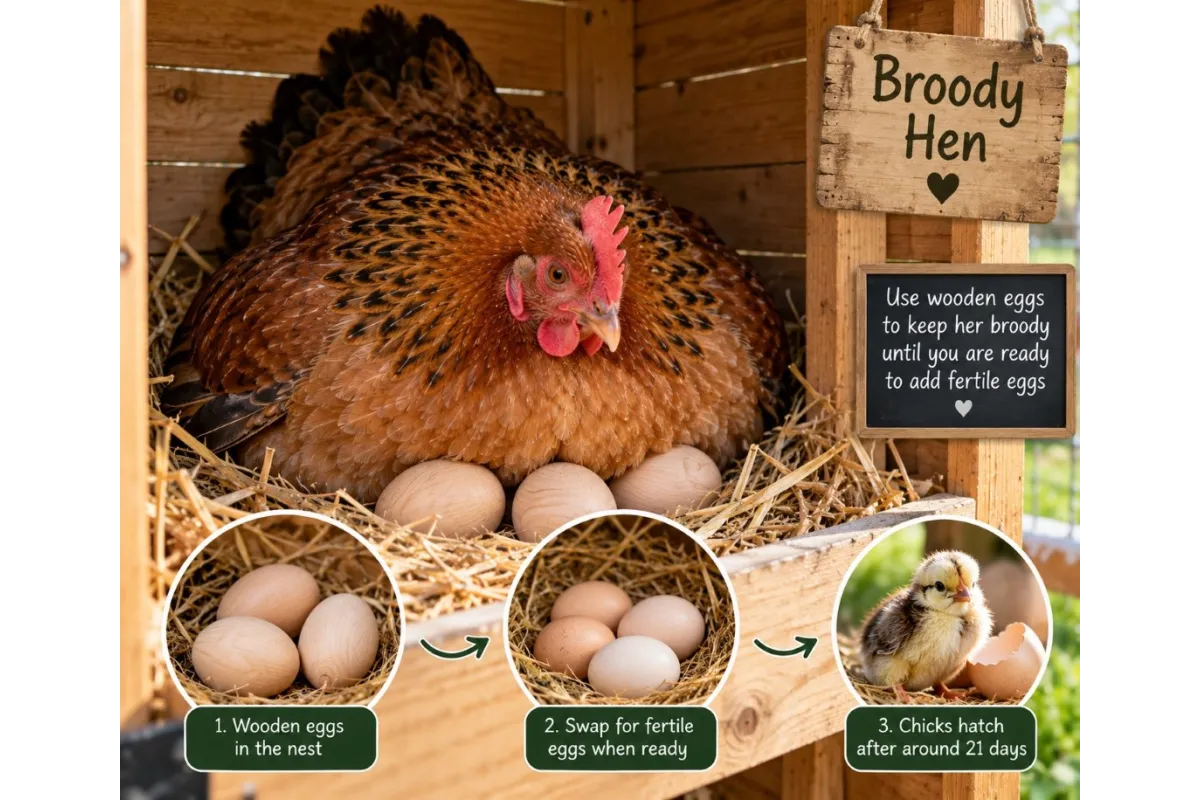
Egg Production: Poor to Fair. They lay small, tinted eggs, and not many of them (perhaps 100 a year). However, they are famous for being broody and make exceptional mothers, often used to hatch the eggs of other birds.
-
Temperament: Incredibly docile, friendly, and calm. Silkies can be tamed very easily and are wonderful for children, though they require gentle handling. Because they lack barbules on their feathers, they cannot fly, making them perfect for small, low-fenced gardens.
-
Hardiness: Moderately hardy, but their fluffy feathers absorb water like a sponge, meaning they must have access to a dry, draft-free coop during the wet UK winter.
-
Appearance: Utterly unique. Their feathers feel like silk or fur; they have black skin, blue earlobes, five toes (instead of the usual four), and a crest of feathers on their heads that looks like a pom-pom.
Why Choose Them?
If you want a pet first, an egg-producer second, and something that looks like it was designed by Dr. Seuss, the Silkie is the only choice.
7. The Marans: The Chocolate Layer
Originating in France, the Marans (specifically the Cuckoo Marans) gained fame through fictional detective novels (Hercule Poirot kept them), but they are real-world treasures for their stunning eggs.
Traits:
-
Egg Production: Good. They lay around 180–200 eggs per year, but these eggs are the main attraction. They are a very dark, rich chocolate-brown color, sometimes speckled.
-
Temperament: Calm, solid, and sensible birds. They are not overly affectionate but are friendly enough and integrate well into mixed flocks without causing trouble. They are good foragers.
-
Hardiness: Robust and hardy. They handle the cold and damp well.
-
Appearance: A large, powerful bird. The Cuckoo Marans is the most popular, featuring barred (cuckoo) feathering in black and grey. They have lightly feathered shanks (legs).
Why Choose Them?
For the sheer beauty of an egg basket, the Marans is unrivaled. Their deep brown eggs provide a stunning contrast to standard brown or white eggs.
8. The Polish: The Bad Hair Day Bird
Another breed kept primarily for its sensational looks, the Polish (or Polands) are thought to have originated in the Netherlands, despite their name. They are the divas of the chicken coop.
Traits:
-
Egg Production: Fair. They lay around 150–180 small white eggs per year.
-
Temperament: Gentle and sweet, but because their massive head crests obscure their vision, they can be easily startled. They are not aggressive but can be at the bottom of the pecking order. They need a calm environment.
-
Hardiness: Moderate. They are vulnerable to cold and damp. Crucially, their head crests can get wet and muddy, leading to health issues, so they require a covered run.
-
Appearance: Defined entirely by the enormous crest of feathers on their head, which can be so large it looks like an exploding pillow. They have V-shaped combs and clean legs.
Why Choose Them?
For the keeper who wants a unique-looking, gentle bird that is a guaranteed conversation starter, the Polish is a fantastic, albeit higher-maintenance, choice.
Finding Your Perfect Flock: The Next Steps
This guide covers the most common breeds you will encounter, but the world of UK poultry is vast, with rare breeds like the Scots Dumpy or the Cream Legbar (which lays blue eggs!) also available.
Before you commit to a breed, do your homework. Visit a local breeder, attend a poultry show, or visit a rescue center like the British Hen Welfare Trust. Seeing the birds in person, observing their behavior in a real coop setting, and talking to an experienced keeper will give you the absolute best insight into which breed is the right fit for your lifestyle, your garden, and your family's needs.
Keeping chickens is a delightful, delicious, and educational journey. With the right breed by your side, you'll have a loyal, productive, and entertaining team of feathered friends for years to come.