Which Chickens Lay Which Colour Eggs
Which Chickens Lay Which Colour Eggs? A Guide to Chicken Breeds and Egg Colours
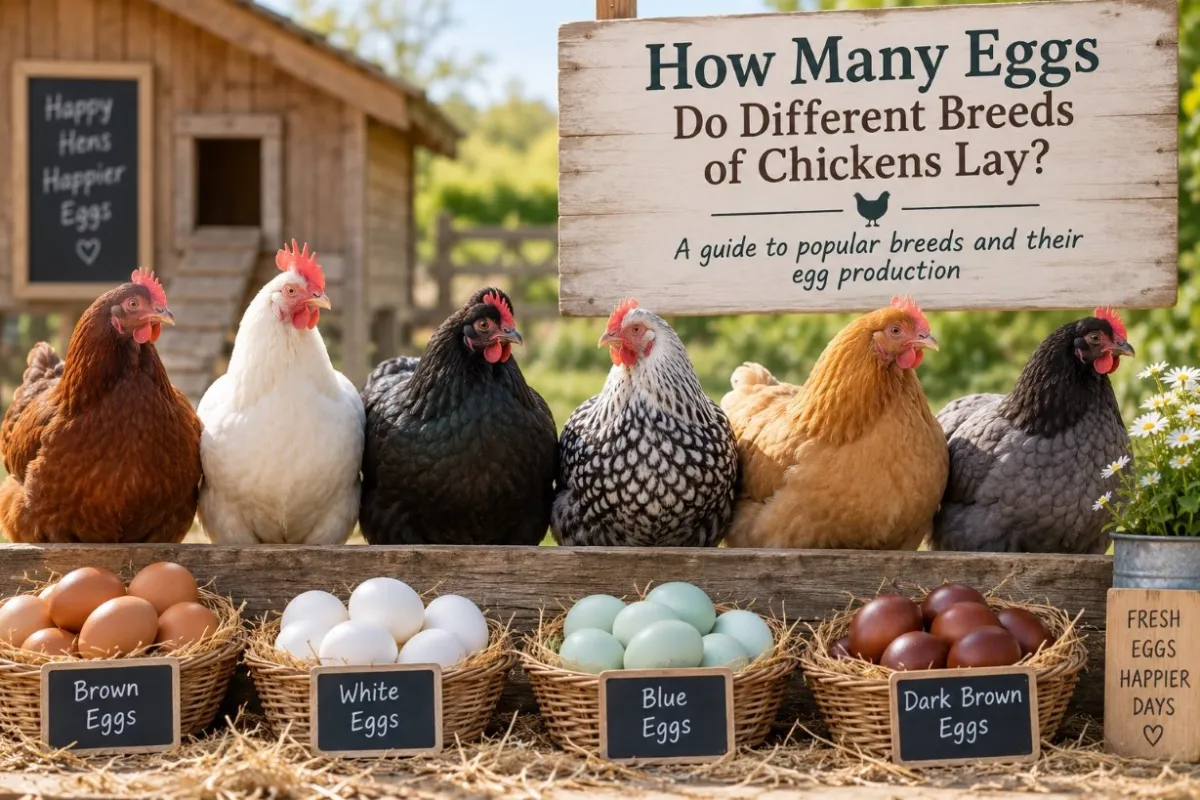
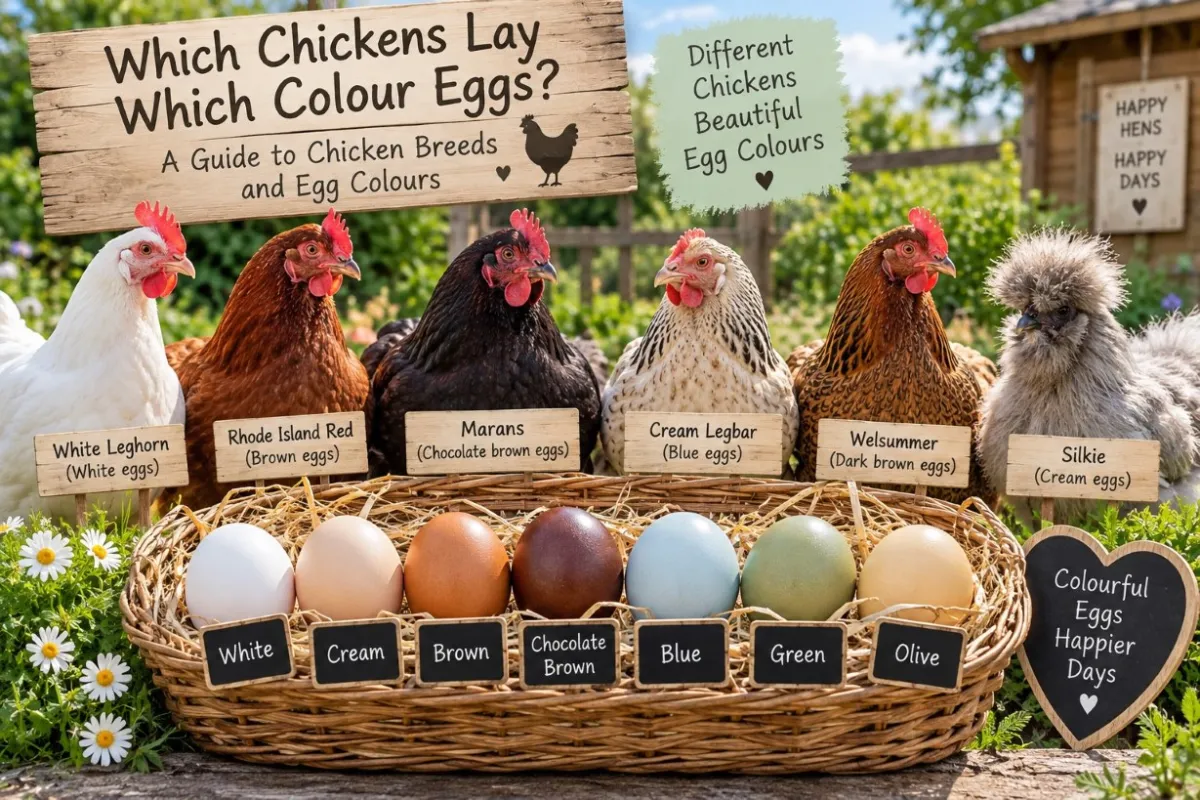
One of the joys of keeping chickens is opening the nest box and discovering a collection of freshly laid eggs. While supermarket shelves might make you think eggs only come in white or brown, backyard chicken keepers can enjoy an impressive range of colours, including cream, chocolate brown, blue, green and even olive.
But what determines the colour of a chicken's eggs? And if you want a colourful egg basket, which breeds should you choose?
Here's our guide to some of the most popular chicken breeds and the egg colours you can expect from them.
What Determines the Colour of a Chicken's Eggs?
Eggshell colour is primarily determined by the genetics of the hen. This means that particular breeds are associated with particular egg colours.
All chicken eggs begin with a largely calcium carbonate shell. Different pigments can then affect the final appearance of the egg as it passes through the hen's reproductive system.
Brown eggs receive a pigment called protoporphyrin IX, which is deposited onto the shell. The intensity can vary considerably, resulting in everything from pale beige to extremely dark chocolate brown eggs.
Blue eggs are different. A pigment called biliverdin is incorporated into the shell, which is why a blue egg can appear blue on both the outside and inside of the shell.
Green and olive eggs result from combinations of blue shell genetics and brown pigmentation.
Chickens That Lay White Eggs
Bright white eggs can look fantastic when mixed with darker and more colourful eggs.
One of the best-known white egg layers is the White Leghorn. Leghorns are renowned for their impressive egg production and can produce large numbers of clean white eggs.
Other breeds associated with white or very pale eggs include:
Ancona – An attractive, active breed that generally produces white eggs.
Hamburgh – Known for its striking appearance and typically lays white eggs.
Polish – Famous for the distinctive crest of feathers on its head, the Polish chicken usually produces white to lightly tinted eggs.
White egg-laying breeds can be particularly useful when creating a mixed-colour egg basket because their bright shells contrast beautifully with brown, blue and green eggs.
Chickens That Lay Cream or Tinted Eggs
Some hens produce eggs that sit somewhere between white and brown.
Silkies, for example, typically produce small cream or tinted eggs. They're not usually chosen for maximum egg production, but their unusual appearance and friendly nature have made them extremely popular with backyard keepers.
Orpingtons can produce light brown or tinted eggs, depending on the variety and individual bird.
Other breeds may produce eggs described as cream, beige or tinted rather than clearly white or brown.
Chickens That Lay Brown Eggs
Brown is probably the egg colour most familiar to chicken keepers in the UK, but there is a surprisingly large variation within this category.
Rhode Island Reds are popular, productive birds that generally lay brown eggs.
Plymouth Rocks are another well-known breed associated with brown eggs and are popular with keepers looking for friendly, useful backyard chickens.
Sussex chickens generally produce tinted to light brown eggs and are a particularly familiar choice for British chicken keepers.
Many commercial laying hybrids also produce brown eggs and have been selectively bred for excellent egg production.
Chickens That Lay Dark Chocolate Brown Eggs
If you're trying to create the ultimate colourful egg basket, dark brown eggs can be spectacular.
The breed most strongly associated with these is the Marans.
Marans chickens are famous for producing beautiful deep brown eggs. The precise shade varies between individual hens and bloodlines, with some producing much darker eggs than others.
A hen's eggs can also vary in shade throughout her laying cycle, so don't expect every egg to be exactly the same colour.
Welsummers are another excellent option. Their eggs are generally a rich terracotta or dark brown and can sometimes feature attractive darker speckles.
Combine Marans and Welsummer eggs with white and blue eggs and you'll quickly have an egg basket worth showing off.
Chickens That Lay Blue Eggs
Yes, chickens really can lay naturally blue eggs!
Perhaps the most famous blue egg layer is the Araucana. These distinctive chickens are highly prized by keepers who want to add unusual colours to their egg collection.
Cream Legbars are another excellent choice and are particularly popular in the UK. They're known for producing beautiful blue to blue-green eggs.
Cream Legbars also have the advantage of being an autosexing breed, meaning males and females can usually be distinguished by their markings when they're chicks.
Blue eggs don't taste different simply because of their colour, but they certainly make breakfast more interesting!
Chickens That Lay Green and Olive Eggs
Green eggs are produced when blue egg genetics combine with brown pigmentation.
Some crossbred chickens are specifically bred to produce green or olive-coloured eggs and are often known as Olive Eggers.
An Olive Egger isn't necessarily one standardised breed. Instead, the term generally describes chickens bred using blue egg-laying genetics combined with breeds that produce brown eggs.
Depending on the breeding, the resulting eggs can range from light green through khaki to deep olive.
Similarly, chickens sold as Easter Eggers can produce an assortment of colours, particularly blue and green shades. However, the exact colour isn't always predictable.
Can One Chicken Lay Different Coloured Eggs?
A common misconception is that the same hen might lay a blue egg one day and a brown egg the next.
In reality, an individual hen's basic egg colour is genetically determined and remains broadly consistent. The exact shade can change somewhat due to factors such as age and the stage of her laying cycle, but a true blue egg layer won't suddenly start producing chocolate brown eggs.
If you want several different egg colours, you'll therefore need several hens with different egg-colour genetics.
Creating Your Own Rainbow Egg Basket
For chicken keepers who love variety, selecting breeds based partly on egg colour can be great fun.
Imagine collecting a basket containing brilliant white Leghorn eggs, traditional brown Rhode Island Red eggs, deep chocolate Marans eggs, terracotta Welsummer eggs and beautiful blue Cream Legbar eggs. Add an Olive Egger and you could have green eggs too.
Of course, egg colour shouldn't be the only consideration when choosing chickens. Temperament, available space, climate, egg production, breed size and the needs of your existing flock are all important.
But if you're already planning to keep several different breeds, choosing a mixture of egg colours can make opening the nest box each morning even more exciting.
After all, few things say "backyard chicken keeper" quite like a basket filled with naturally coloured eggs in shades of white, cream, brown, chocolate, blue and green.