A step by step guide to keeping chickens
A Step-by-Step Guide to Keeping Chickens: Everything You Need to Know
Keeping chickens can be an incredibly rewarding experience. Whether you dream of collecting fresh eggs each morning, want friendly pets for the garden, or simply enjoy the idea of becoming a little more self-sufficient, a small flock of hens can bring plenty of enjoyment.
Chickens are relatively straightforward to care for, but they still have important needs that must be met. Good housing, protection from predators, a balanced diet, clean water and regular health checks all play a part in keeping a flock happy and healthy.
If you're thinking about getting your first chickens, this step-by-step guide will take you through everything you need to consider.
Step 1: Decide Whether Chickens Are Right for You
Before buying a chicken coop or choosing your favourite breeds, consider whether you can commit to looking after chickens every day.
Chickens need daily care. They need feeding, fresh water, eggs collecting and someone to check that every bird is healthy and secure. Their coop also needs regular cleaning.
Think about holidays too. If you go away, you'll need a reliable person who can look after your flock.
Space is another consideration. You don't necessarily need acres of land to keep chickens, but they do need sufficient room to move around, scratch, forage, dust bathe and display their natural behaviours.
It's also worth checking any local restrictions, tenancy agreements or property rules that may affect whether you can keep poultry.
Step 2: Decide How Many Chickens to Keep
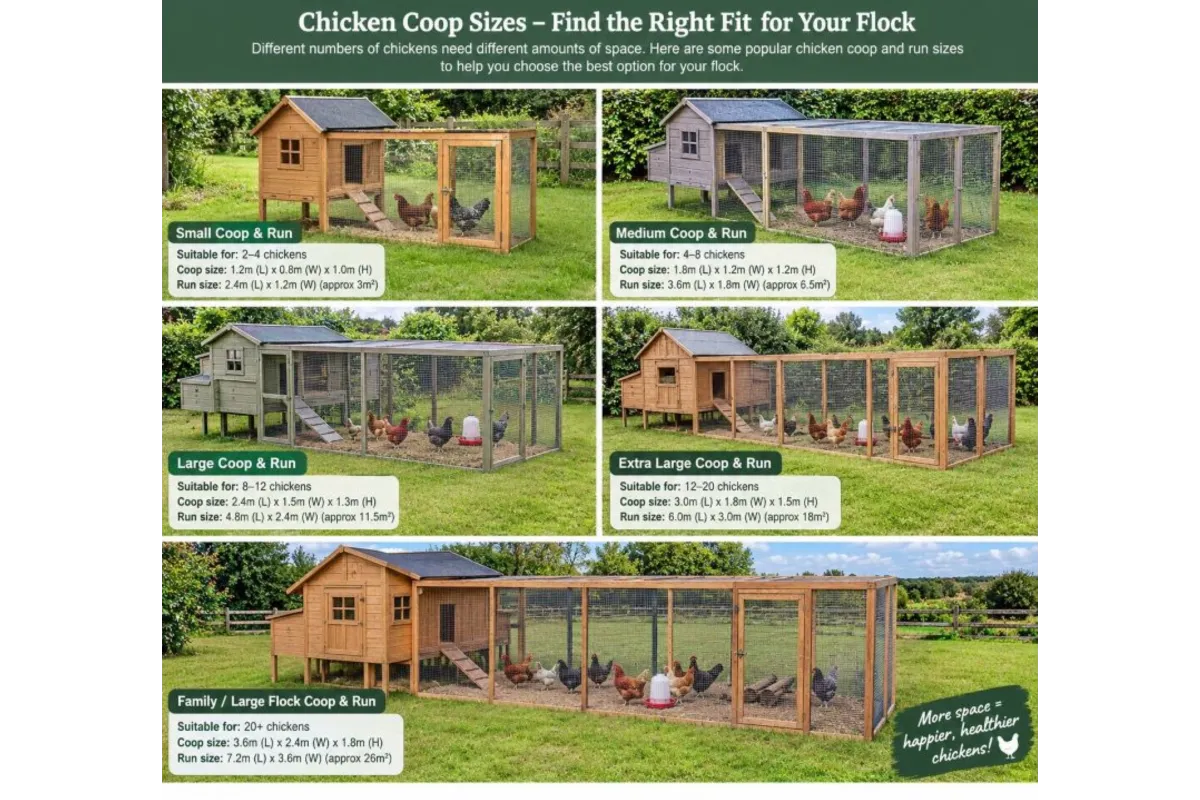
Chickens are social animals and shouldn't normally be kept alone. Starting with at least three hens is often a sensible choice.
A small group also means that if one bird becomes ill or dies, another chicken isn't suddenly left completely on its own.
However, don't be tempted to buy more chickens than your available space can comfortably accommodate. Overcrowding can contribute to stress, bullying, dirty conditions and disease.
Think about the size of your coop and run before deciding on your flock size. Allow enough room for feeders, drinkers, perches and nest boxes while ensuring the birds can move around comfortably.
And remember: chicken keeping can be addictive! Many owners discover that three hens soon become six, so allowing some extra capacity can be useful.
Step 3: Choose the Right Chicken Coop
The chicken coop will be your flock's home, so choosing the right one is extremely important.
A good coop should be dry, secure, well ventilated and easy to clean. It should protect chickens from bad weather while providing a safe place to sleep at night.
Ventilation is particularly important because chickens produce moisture and ammonia through their droppings and breathing. Good airflow helps prevent the coop from becoming damp without creating strong draughts directly around the birds.
Inside the coop, provide suitable perches because chickens naturally prefer to roost above ground at night.
You'll also need nest boxes where hens can lay their eggs. These should be comfortable, relatively dark and easy to access for egg collection.
When choosing a coop, don't simply rely on the advertised number of chickens it can hold. Look at the actual dimensions and consider the size of the breeds you intend to keep.
Step 4: Create a Safe Chicken Run
Unless your chickens have access to a secure free-range area, they'll need a suitable run attached to or positioned around their coop.
The run should give them enough space to walk, scratch, forage and explore.
Predator protection is essential. Foxes are particularly capable predators and can exploit surprisingly small weaknesses in chicken housing. Secure fencing and strong mesh should therefore be used wherever necessary.
Remember that predators don't only attack at night. A secure run can provide valuable protection throughout the day.
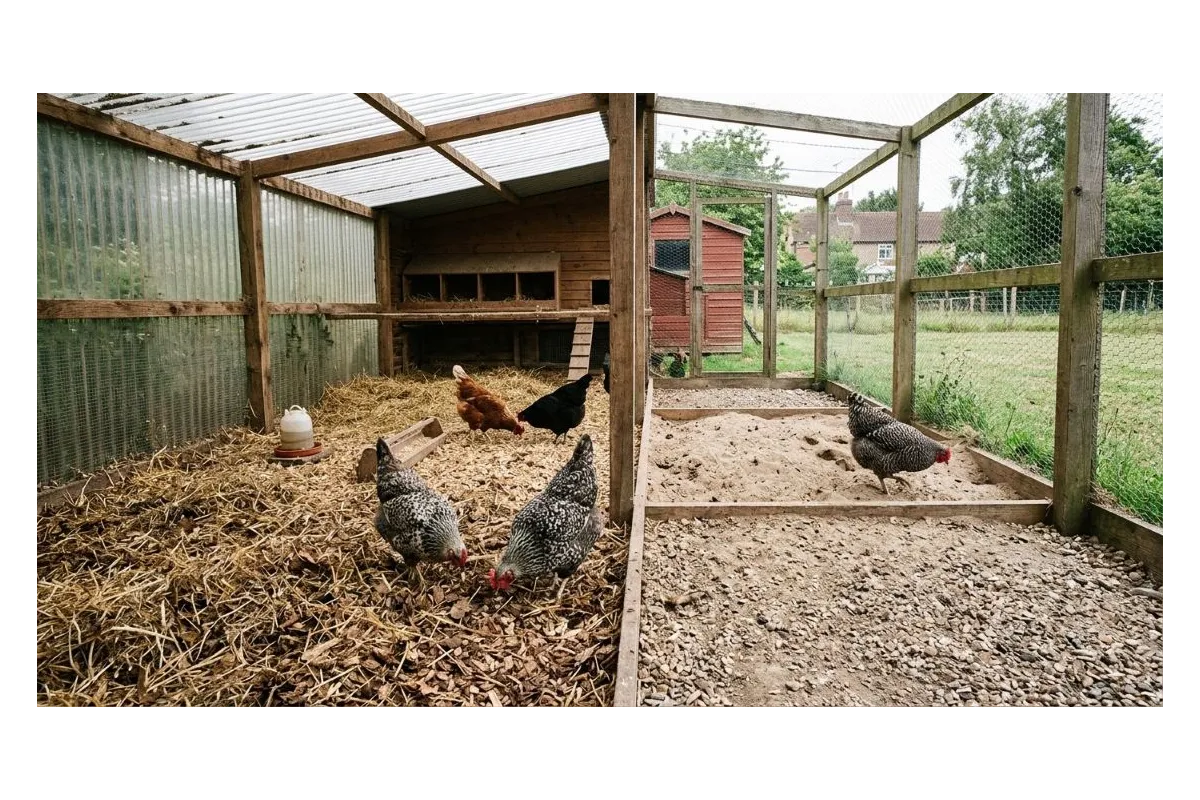
Adding enrichment to the run makes life much more interesting for chickens. Logs, branches, perches, hanging vegetables and areas of different substrates can all encourage natural behaviour.
Providing some shelter is also useful, giving your flock protection from rain, wind and strong sunshine.
Step 5: Prepare Everything Before Your Chickens Arrive
Get your coop and run completely ready before bringing your chickens home.
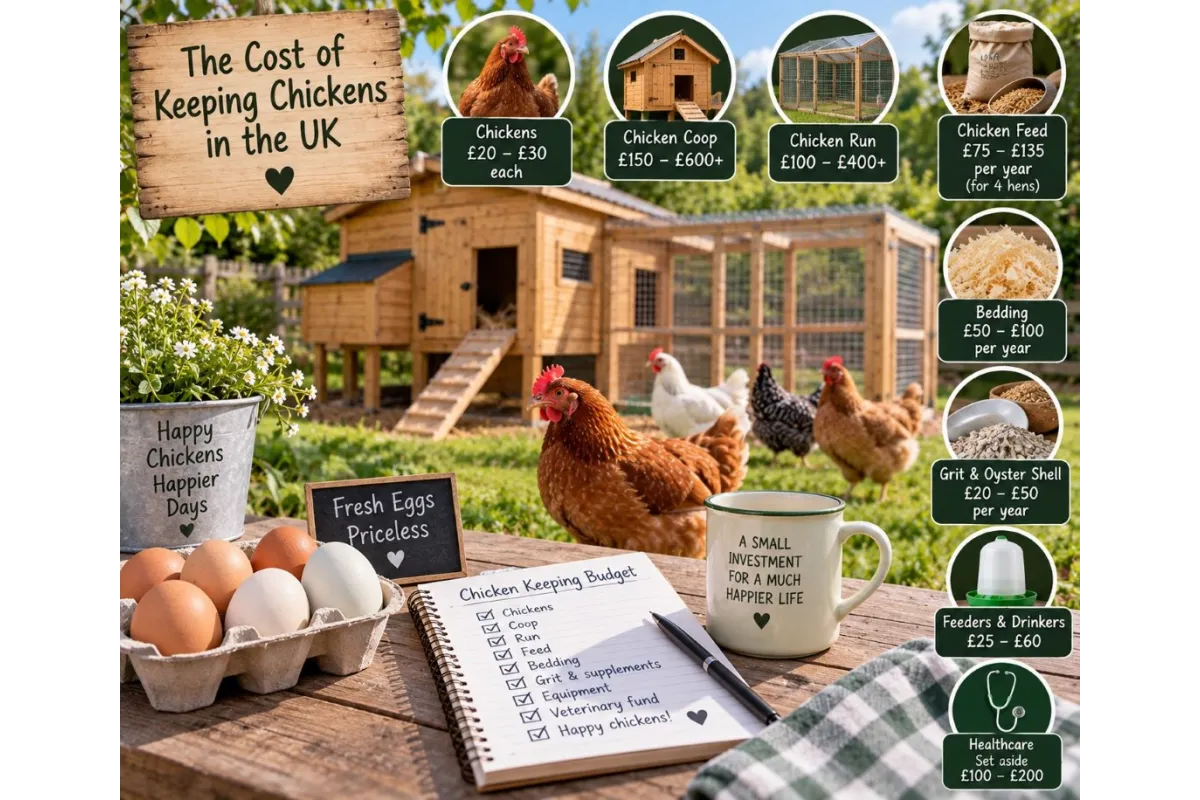
You'll need:
-
A suitable chicken coop and secure run
-
Chicken feeder
-
Poultry drinker
-
Appropriate chicken feed
-
Bedding for the coop and nest boxes
-
Grit
-
Dust bathing area
-
Cleaning equipment
-
Suitable poultry-safe disinfectant
-
Secure containers for storing feed
Place feeders and drinkers somewhere accessible while trying to prevent bedding, mud and droppings from contaminating them.
Food should also be stored securely. Rodents can quickly discover poorly protected bags of chicken feed.
Having everything prepared beforehand makes the chickens' arrival much less stressful for both you and your new flock.
Step 6: Choose Your Chickens
There are many chicken breeds available, and different breeds can have very different characteristics.
Some are particularly productive egg layers, while others are prized for their appearance, friendly personalities or suitability for smaller gardens.
Consider what you want from your flock.
If egg production is the priority, you may prefer productive laying hybrids or breeds known for good egg numbers.
If you're primarily looking for pets, temperament may be more important. Some breeds can become remarkably tame and will happily follow their owners around the garden.
You should also consider the size of the birds. Bantams are smaller and may be useful where space is more limited, although they still require appropriate housing and care.
Purchase chickens from a reputable source and look for alert, active birds with bright eyes, healthy-looking feathers and clean nostrils.
Step 7: Bring Your Chickens Home
Transport chickens in suitable, secure and well-ventilated carriers.
When they arrive, give them time to become familiar with their new surroundings. Avoid constantly handling or disturbing them during their first few hours.
Make sure they can easily find food and water.
New chickens may initially appear nervous, particularly if they've recently been moved from a larger flock. Calm, gentle interaction will gradually help them become accustomed to you.
A little patience can go a long way. Many chickens quickly learn to associate their owner with food and will soon come running when they see you.
Step 8: Feed Your Chickens Correctly
Good nutrition is one of the foundations of healthy chicken keeping.
Adult laying hens should receive an appropriate nutritionally balanced layers feed as their main diet. This is designed to provide the protein, energy, vitamins and minerals required for general health and egg production.
Treats and household scraps should not replace a balanced diet. Too many treats can dilute the nutritional value of the chickens' main feed and encourage selective eating.
Always follow the relevant rules concerning what can legally be fed to poultry where you live.
Chickens should also have access to appropriate insoluble grit where required. Because chickens don't have teeth, grit retained within the gizzard helps grind food.
Laying hens also need sufficient calcium for eggshell production. Appropriate poultry products and a balanced layers diet can help provide their nutritional requirements.
Step 9: Provide Fresh Water Every Day
Never underestimate how important water is.
Chickens need constant access to clean, fresh drinking water. During hot weather, their water consumption can increase considerably.
Check drinkers every day and clean them regularly. Chickens have an impressive ability to kick bedding, soil and other debris into their water.
In winter, regularly check that drinking water hasn't frozen.
Positioning the drinker slightly above ground level can sometimes reduce contamination, but it should always remain easy for every chicken to reach.
Step 10: Provide a Dust Bath
Dust bathing isn't simply chickens getting dirty — it's an important natural behaviour.
Chickens instinctively scratch out shallow depressions before working dry material through their feathers and over their bodies.
Providing a dedicated dust bathing area can be particularly useful when chickens spend much of their time in a run.
Keep the dust bath somewhere sheltered so that the material remains relatively dry. You'll often see several chickens trying to squeeze into the same dust bath together, even when there's plenty of space elsewhere!
Step 11: Establish a Daily Routine
A consistent routine makes chicken keeping much easier.
Each morning, check that all chickens appear active and healthy. Provide fresh water, check their feed and ensure the run is secure.
Collect eggs regularly throughout the day where practical.
In the evening, make sure all the chickens have returned to the coop before securing them for the night.
A daily routine also makes it easier to notice changes. If a chicken that normally races towards you for breakfast suddenly stays in the coop, for example, that's a sign worth investigating.
Step 12: Keep the Coop Clean
Chicken coops require regular cleaning to prevent droppings, damp bedding and dirt from building up.
Remove heavily soiled bedding and droppings frequently and replace bedding as required.
Periodically, give the coop a more thorough clean. Remove bedding, clean surfaces and use appropriate poultry-safe cleaning products according to their instructions.
Pay particular attention to cracks, joints, perch ends and nest boxes.
Regular cleaning also gives you the opportunity to inspect the coop for damage and signs of parasites such as red mites.
Step 13: Learn to Recognise a Healthy Chicken
One of the best skills a new chicken keeper can develop is recognising what is normal for their flock.
Healthy chickens are generally alert, interested in their surroundings and keen to eat and drink. Their eyes should look bright, their breathing should be comfortable and their movement should appear normal.
Regularly check:
Feet and legs: Look for swelling, wounds, damaged scales or difficulty walking.
Feathers: Check for excessive feather loss, damage or evidence of external parasites.
Eyes and nostrils: Watch for discharge, swelling or unusual breathing.
Body condition: Sudden weight loss can indicate an underlying problem.
Droppings: Learn what normal chicken droppings look like so you're more likely to notice significant changes.
Behaviour: Isolation, unusual posture, reduced appetite or lethargy can all indicate that something isn't right.
Seek appropriate veterinary advice when you're concerned about a chicken's health rather than waiting for a problem to become severe.
Step 14: Watch for Parasites
Parasites are something every chicken keeper should understand.
Red mites can live within chicken housing, hiding in cracks and crevices during the day before feeding on birds at night.
Other external parasites can live directly on chickens.
Regularly inspect both your birds and their housing. Good hygiene, routine checks and appropriate treatment when necessary can prevent a small problem becoming a major infestation.
Avoid automatically applying treatments without knowing what you're treating. Identifying the problem first helps ensure the correct product and approach are used.
Step 15: Enjoy Your Eggs!
For many people, collecting eggs is one of the greatest pleasures of keeping chickens.
Egg production varies considerably according to breed, age, health, nutrition, daylight hours and the time of year.
Don't worry if your hens don't lay every day. Chickens aren't machines, and natural variations in laying are completely normal.
Egg production often decreases during the shorter winter months, and hens may temporarily stop laying when moulting.
Collect eggs frequently and keep nest boxes clean to help keep the eggs in good condition.
Step 16: Keep Learning About Your Flock
Chicken keeping becomes easier with experience.
You'll gradually learn each chicken's individual personality, habits and place within the flock. Some will be confident and adventurous, while others may be quieter and more cautious.
You'll also become better at spotting subtle changes that could indicate illness, bullying or another problem.
Keeping chickens isn't simply about providing food and collecting eggs. Good chicken keeping means creating an environment where birds can express natural behaviours such as scratching, foraging, perching, dust bathing and socialising.
Final Thoughts
Starting your first flock may initially seem like there's a lot to learn, but establishing a good routine makes chicken keeping surprisingly manageable.
Begin with the essentials: choose an appropriately sized coop, create a secure run, provide quality food and fresh water, keep the housing clean and spend a little time observing your chickens every day.
The more familiar you become with your flock, the easier it is to recognise when everything is going well — and when something needs your attention.
Perhaps the biggest surprise for many first-time keepers is just how much personality chickens have. They quickly learn routines, recognise the person who brings the food and develop individual behaviours and preferences.
Give them a safe home, plenty of space, good nutrition and proper care, and your chickens can provide years of entertainment, companionship and, of course, plenty of delicious fresh eggs.
For anyone considering taking the plunge into chicken keeping, good preparation is the key. Get the basics right before your birds arrive, continue learning as your flock develops and you'll be well on your way to becoming a confident and successful chicken keeper.
You may also like