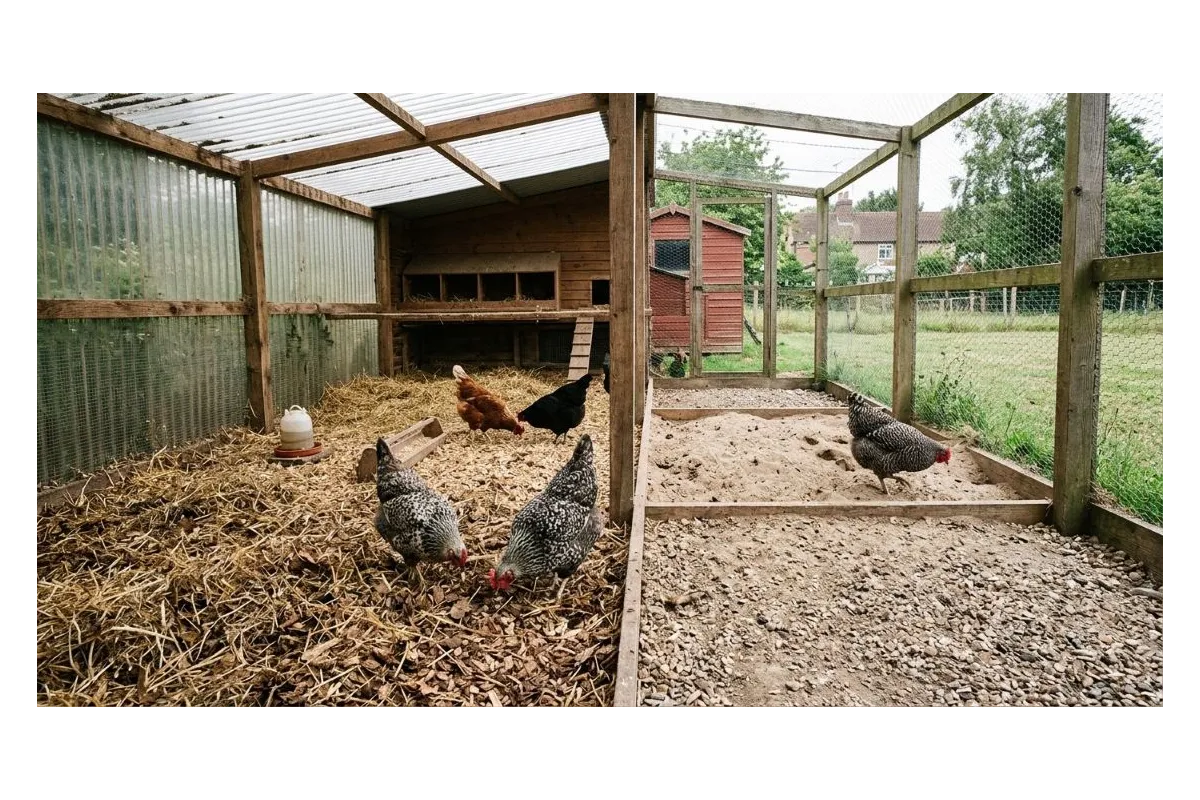

What size coop do I need?
What Size Chicken Coop Do You Need? A Guide Based on the Number of Chickens
Choosing the right size chicken coop is one of the most important decisions you will make when keeping chickens. A coop that is too small can lead to stress, fighting, poor hygiene and health problems, while a coop that is too large can be harder to keep warm, clean and secure.
Whether you are planning to keep two hens in your garden or a larger flock of ten or more, providing enough space is essential for happy and healthy chickens. But how much room do chickens actually need?
Why Coop Size Matters
Chickens may appear small, but they need considerably more space than you might expect. They need room to move around, perch, eat, drink, nest and interact with one another without constantly competing for space.
Overcrowding can cause a number of problems. Chickens may become stressed and aggressive, leading to feather pecking and bullying. Dirty bedding can also build up more quickly in a crowded coop, increasing the risk of parasites, respiratory problems and other health issues.
A properly sized coop also makes your job as a chicken keeper easier. More space means better ventilation, easier cleaning and less competition around feeders, drinkers and nesting boxes.
How Much Space Does Each Chicken Need?
There isn't one universal figure for the amount of indoor space a chicken requires. Requirements can vary depending on breed, size, whether the birds have access to a large run, and how much time they spend inside the coop.
As a general guide, allowing around 0.3–0.4 square metres of floor space per chicken inside the coop is a sensible starting point for backyard chickens. More space is always beneficial where practical.
Remember that the coop is only part of the chicken's living area. Your hens should ideally have access to a secure outdoor run where they can scratch, forage, dust bathe and exercise during the day.
If your chickens will be confined to the coop and run for long periods because of bad weather, predators or other circumstances, providing additional space becomes even more important.
Chicken Coop Size Guide
Here is a useful guide to help you choose an appropriate coop size:
| Number of Chickens | Suggested Minimum Coop Floor Area |
|---|---|
| 2 chickens | 0.6–0.8 m² |
| 3 chickens | 0.9–1.2 m² |
| 4 chickens | 1.2–1.6 m² |
| 5 chickens | 1.5–2.0 m² |
| 6 chickens | 1.8–2.4 m² |
| 8 chickens | 2.4–3.2 m² |
| 10 chickens | 3.0–4.0 m² |
| 12 chickens | 3.6–4.8 m² |
These figures should be viewed as practical guidelines rather than absolute rules. If you have the room and budget for a larger coop, giving your chickens extra space is usually a worthwhile investment.
Don't Forget the Chicken Run
While the size of the coop is important, the outdoor run is equally important for your flock's wellbeing.
Chickens are naturally active animals. They spend much of their day scratching the ground, searching for food, dust bathing, exploring and socialising. A cramped run can quickly become muddy, bare and unpleasant, particularly during wet weather.
Ideally, provide as much outdoor space as possible. A larger run will give your chickens more opportunity to exercise and forage and can help reduce competition between birds.
If space is limited, consider creating a covered run to protect the ground from excessive rain. You can also rotate chickens between different areas where possible, allowing previously used ground time to recover.
Perches: Give Every Chicken Room
Your chickens also need enough perch space to comfortably roost at night.
A useful rule of thumb is to allow approximately 15–25 cm of perch space per chicken, depending on the size and breed of your birds.
For example, six average-sized hens might need at least 90–150 cm of total perch space.
Perches should be positioned so that chickens can comfortably get on and off them. Avoid placing them directly above food and water, as droppings can quickly contaminate these areas.
Wooden perches with rounded edges are generally comfortable for chickens to grip. Avoid very thin or sharp-edged materials that may cause discomfort or foot problems.
How Many Nesting Boxes Do You Need?
Fortunately, you don't need a nesting box for every chicken.
A general guideline is one nesting box for every three to four hens. So, if you have six chickens, two nesting boxes should normally be sufficient.
Interestingly, chickens often have a favourite nesting box and may all attempt to use the same one, even when several are available!
Nesting boxes should be placed somewhere quiet, dark and secure within the coop. Keep them separate from the main sleeping area and provide clean, dry bedding.
Think About Your Chickens' Breed
The number of chickens isn't the only factor when choosing a coop.
Breed and body size matter too. Bantams require less space than large breeds such as Brahmas or some heritage breeds. Larger chickens need more room to turn around, move between perches and access feeders and drinkers comfortably.
If you are keeping a mixture of breeds, size your coop for the larger birds rather than simply working from the number of chickens.
It is also worth remembering that chickens establish a social hierarchy, often referred to as the "pecking order". Giving birds additional space provides lower-ranking hens with more opportunities to move away from dominant birds.
Plan for the Future
One common mistake is buying a coop that is exactly the right size for the number of chickens you have today.
If you currently have four hens but think you may add more in the future, consider purchasing a larger coop from the beginning. Increasing your flock later can otherwise mean replacing the entire housing setup.
However, avoid buying a very large flock of chickens simply because you have a large coop. The outdoor space, feeding requirements, cleaning routine and your ability to care for the birds should all be considered.
Ventilation Is Just as Important as Space
A larger coop isn't automatically a good coop.
Proper ventilation is essential because chickens produce moisture through their breathing and droppings. Without sufficient airflow, condensation and ammonia can build up inside the coop.
Ventilation openings should allow fresh air to circulate without creating a cold draught directly across the birds while they are sleeping.
A well-designed coop should be dry, secure and well ventilated, with enough space for every chicken to perch and move comfortably.
Bigger Is Usually Better
When choosing a chicken coop, it is generally better to provide too much space than too little.
Extra room gives your chickens greater freedom to move around and can reduce bullying and competition. It also gives you more flexibility if you decide to increase your flock.
For a small backyard flock, four chickens might be perfectly comfortable in a coop providing around 1.2–1.6 square metres of floor space, while a flock of ten could benefit from around 3–4 square metres or more.
But don't focus solely on measurements. A successful chicken coop combines adequate floor space with good ventilation, comfortable perches, suitable nesting boxes, easy cleaning and a secure outdoor run.
Final Thoughts
Choosing the right chicken coop size is all about giving your birds enough room to live naturally and comfortably.
Before buying a coop, consider how many chickens you intend to keep, their breed and size, how much time they will spend inside, and how much outdoor space you can provide.
If you have the available space, choosing a coop that is slightly larger than your immediate requirements is often the best approach. Your chickens will benefit from the extra room, and you will have a cleaner, easier-to-manage environment for your flock.
Happy chickens need more than food and water. A spacious, secure and well-designed home is one of the best investments you can make in their health and happiness.