How to prevent red mites naturally
Naturally Keeping Red Mites Out of Your Chicken Coop
Red mites are one of the most frustrating pests a chicken keeper can encounter. These tiny parasites hide in cracks, crevices and dark corners of the coop during the day, emerging at night to feed on your chickens. A serious infestation can leave hens stressed, anaemic and reluctant to roost, while also affecting egg production.
The good news is that there are several natural ways to make your chicken coop less attractive to red mites and reduce the risk of an infestation.
Keep the Coop Clean and Dry
Good coop hygiene is one of the most important steps in preventing red mites. Regularly remove soiled bedding, droppings and other debris where mites can hide.
Pay particular attention to the areas around perches, nest boxes and joints in the timber. Red mites can squeeze into remarkably small gaps, so simply cleaning the visible surfaces may not be enough.
Keep the coop as dry as possible and make sure there is adequate ventilation without creating draughts at perch level. Damp, dirty conditions can encourage a range of unwanted pests and make it harder to maintain a healthy environment for your flock.
Seal Hiding Places
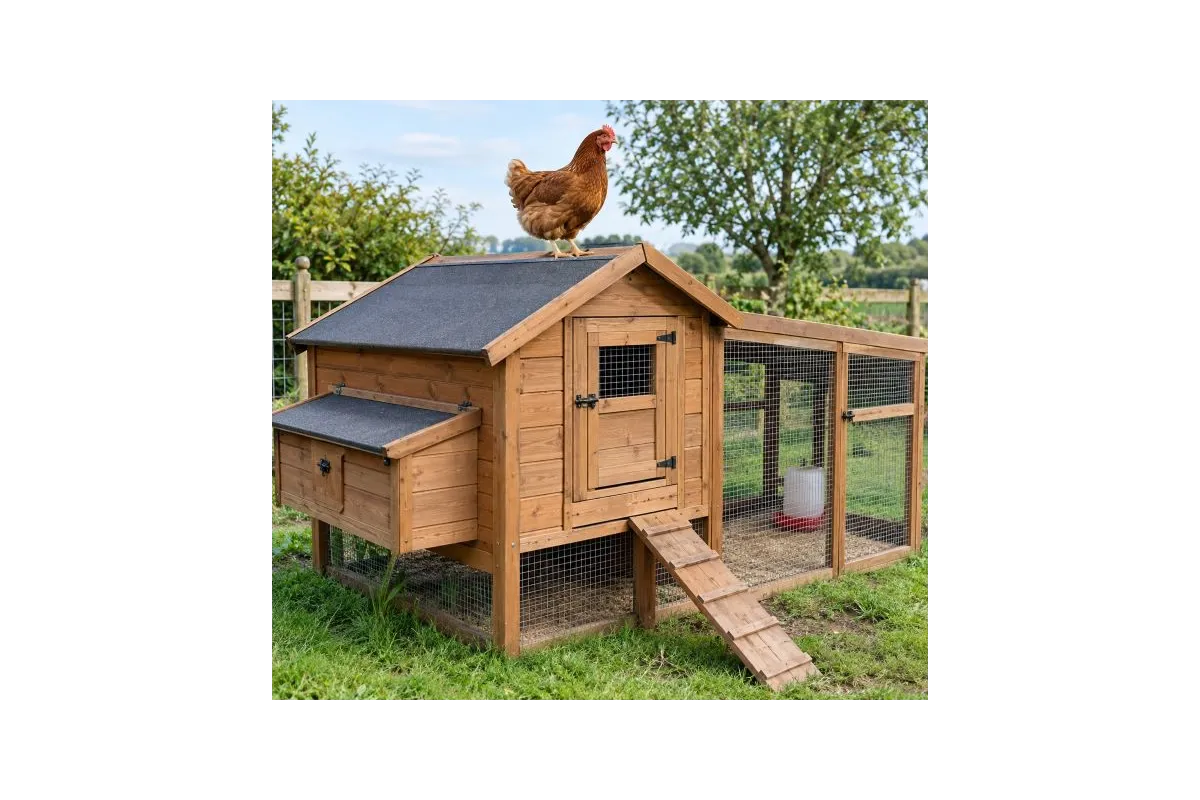
Red mites love dark, sheltered spaces. Wooden coops with lots of cracks and joints can provide countless hiding places.
Inspect the coop regularly and seal unnecessary cracks and gaps where possible. Pay special attention to the ends of perches, corners, roof joints and areas where different pieces of timber meet.
Smooth, well-maintained surfaces give mites fewer places to hide and make regular cleaning much easier.
Use Natural Coop Treatments
Some chicken keepers use naturally derived products such as diatomaceous earth as part of their mite-control routine. When used correctly and according to the product instructions, it can help create an environment that is less suitable for crawling insects.
Herbs and essential oils are also sometimes used around poultry housing because certain scents may help discourage pests. However, these should be used with care. Chickens have sensitive respiratory systems, so avoid creating dusty or strongly scented conditions inside an enclosed coop.
Natural does not automatically mean harmless, so always check that a product is suitable for use around poultry and follow the manufacturer's instructions.
Give Your Chickens a Dust Bath
A dust bath is one of the best natural behaviours you can encourage in your flock. Chickens instinctively roll and fluff themselves in dry soil or dust, helping to keep their feathers clean and discouraging external parasites.
Provide a dedicated dust-bathing area containing dry soil or sand in a sheltered location. Keeping the area dry is particularly important, as chickens are far less likely to enjoy dust bathing when the ground is wet.
A good dust bath also provides enrichment, allowing chickens to perform a natural behaviour that can help reduce boredom and stress.
Check Your Chickens Regularly
Prevention works best when combined with regular inspection. Check your hens, particularly around the vent, under the wings and around the base of the feathers.
At night, you can also inspect the underside of perches and nearby cracks using a torch. Red mites are nocturnal, so they may be much easier to spot after the chickens have gone to roost.
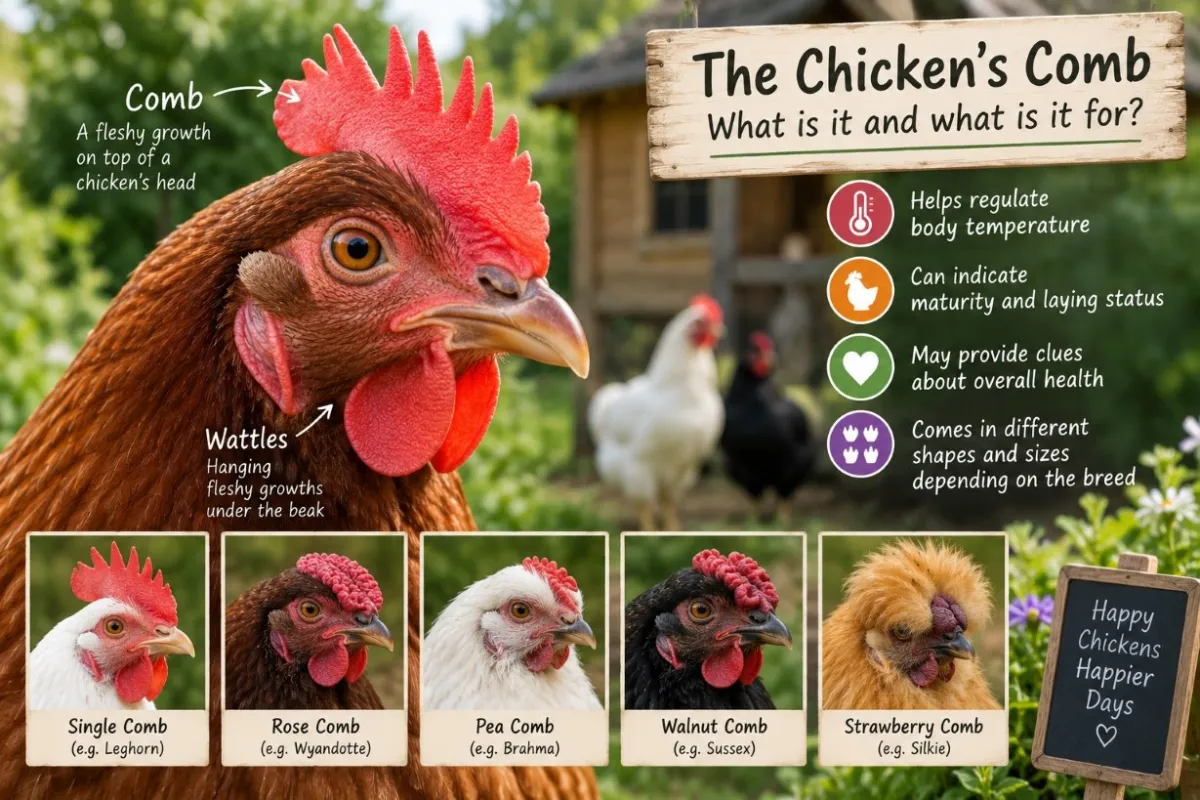
Look out for pale combs, restlessness at night, reduced egg production or chickens spending less time on their perches. These can be signs that mites are becoming a problem.
Prevention Is Better Than a Major Infestation
The key to naturally managing red mites is consistency. Cleaning the coop thoroughly once a year is unlikely to be enough. Instead, make mite prevention part of your regular chicken-keeping routine.
Clean bedding regularly, keep the housing dry, minimise hiding places, maintain a good dust-bathing area and inspect the flock frequently. These simple measures can make your coop considerably less welcoming to red mites.
If you do discover a significant infestation, act quickly. Heavy infestations can seriously affect chicken welfare and may require a more comprehensive treatment approach. Natural prevention methods are valuable, but they should never replace appropriate treatment when chickens are already suffering from a serious infestation.
With good hygiene, regular monitoring and plenty of opportunities for natural behaviours such as dust bathing, you can greatly improve the chances of keeping your chicken coop healthy, comfortable and less attractive to red mites.