The Chicken’s Comb: What Is It and What Is It For
The Chicken’s Comb: What Is It and What Is It For?
One of the most recognisable features of a chicken is the bright red comb sitting proudly on top of its head. Combs come in many different shapes and sizes, from the familiar upright single comb to smaller pea and rose combs. But a chicken's comb isn't just there for decoration – it performs several important functions and can even provide useful clues about the bird's health.
For chicken keepers, regularly looking at the comb is a simple way of getting to know what is normal for each bird.
What Is a Chicken's Comb?
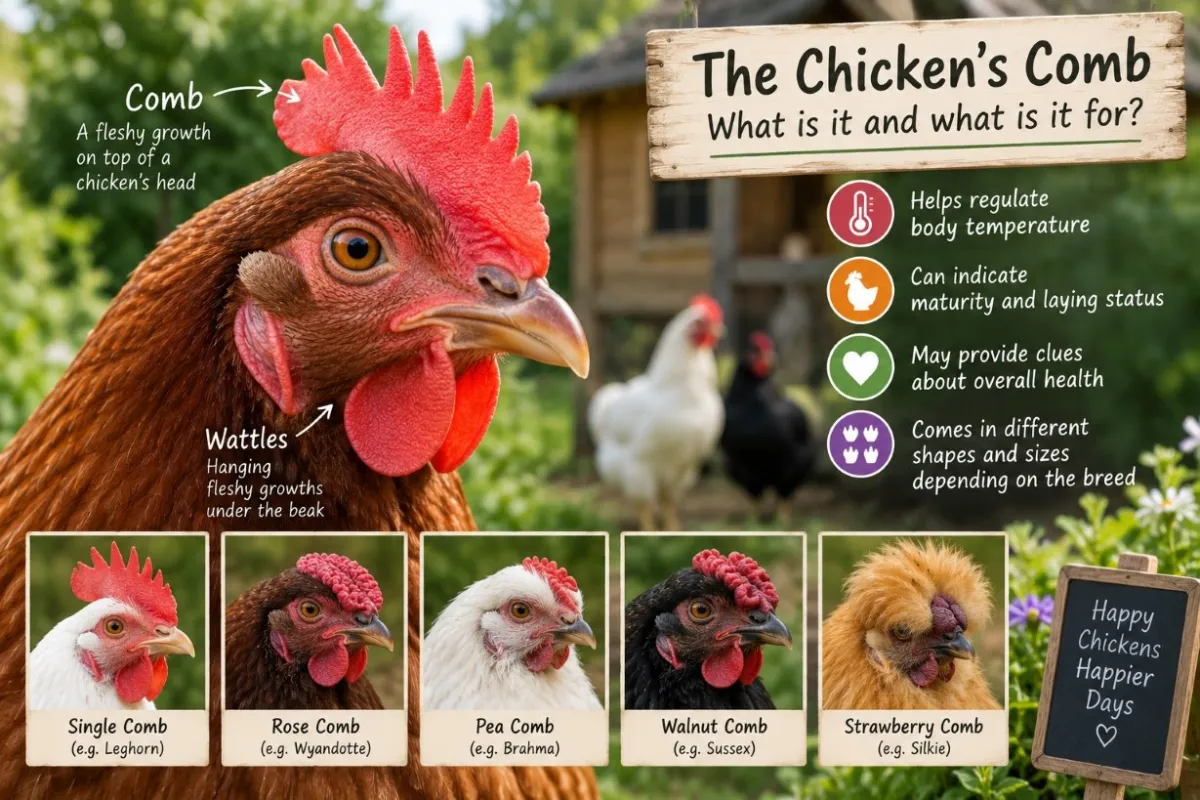
The comb is the fleshy growth found on top of a chicken's head. Both hens and cockerels have combs, although those of males are usually larger and more prominent.
The comb contains a rich supply of blood vessels, which gives a healthy, mature chicken's comb its characteristic red colour.
The size and shape of the comb are largely determined by genetics. Different breeds can therefore have very different-looking combs.
What Is the Comb For?
One of the comb's most important jobs is helping a chicken regulate its body temperature.
Chickens don't sweat in the same way humans do, so they need other ways to lose excess heat. Warm blood circulates through the comb, where heat can be released into the surrounding air.
This is why the comb's large surface area can be particularly useful during warm weather.
The downside is that large combs are more exposed during extremely cold conditions. In freezing weather, they can be vulnerable to frostbite, so chicken keepers should ensure their coop is dry and well ventilated without exposing birds to excessive draughts.
The Comb and Maturity
A chicken's comb can also give you an indication of its maturity.
Young chicks have small, relatively pale combs. As they mature, their combs usually become larger and more colourful.
For pullets approaching laying age, a comb becoming larger and noticeably redder can be one of the signs that egg production may soon begin.
Cockerels often develop larger, brighter combs earlier than pullets, although this varies considerably between breeds.
Different Types of Chicken Comb
Not every chicken has the classic upright comb you might picture.
The single comb is perhaps the most familiar, featuring a row of distinctive points along the top. It is seen in breeds such as Leghorns and Rhode Island Reds.
Other types include the rose comb, which is flatter and wider, and the pea comb, which is smaller and sits relatively close to the head.
There are also walnut, cushion, strawberry and V-shaped combs.
These differences make the comb another fascinating feature when comparing chicken breeds.
What Can the Comb Tell You About Health?
Because the comb has such a good blood supply, changes in its appearance can sometimes provide clues about a chicken's condition.
A healthy laying hen will often have a bright, well-coloured comb. However, colour and size naturally vary according to breed, age, laying status and time of year.
A comb that becomes unusually pale, dark, purple, dry or shrivelled may deserve closer attention, particularly if the chicken is also showing other signs such as lethargy, reduced appetite, weight loss or unusual behaviour.
A pale comb, for example, can sometimes accompany problems such as anaemia, parasites or illness, although it can also occur naturally when a hen isn't actively laying.
Rather than diagnosing a chicken based solely on its comb, look at the whole bird. If you notice significant or persistent changes alongside other symptoms, veterinary advice may be appropriate.
Get to Know Your Chickens' Combs
Every chicken is an individual, and one of the best things a keeper can do is become familiar with how their birds normally look.
When feeding, cleaning the coop or collecting eggs, take a moment to check their combs. Look for changes in colour, injuries, swelling or unusual marks.
The chicken's comb may be one of its most distinctive features, but it is far more than an attractive splash of red. It helps regulate body temperature, indicates maturity and can provide useful information about a bird's general condition.
So next time you look at your chickens, pay a little extra attention to their combs – they may be telling you more than you realise.