How Many Eggs Do Different Breeds of Chickens Lay
How Many Eggs Do Different Breeds of Chickens Lay?
If you are thinking about keeping chickens, one of the biggest questions is likely to be: how many eggs will my hens actually lay?
The answer depends heavily on the breed. Some chickens have been selectively bred to be exceptionally productive layers and can produce more than 300 eggs per year, while traditional and ornamental breeds may produce considerably fewer. Age, diet, daylight, health, weather and moulting also influence how regularly a hen lays.
So, whether you want a constant supply of breakfast eggs or simply enjoy keeping a variety of beautiful chickens, choosing the right breed can make a big difference.
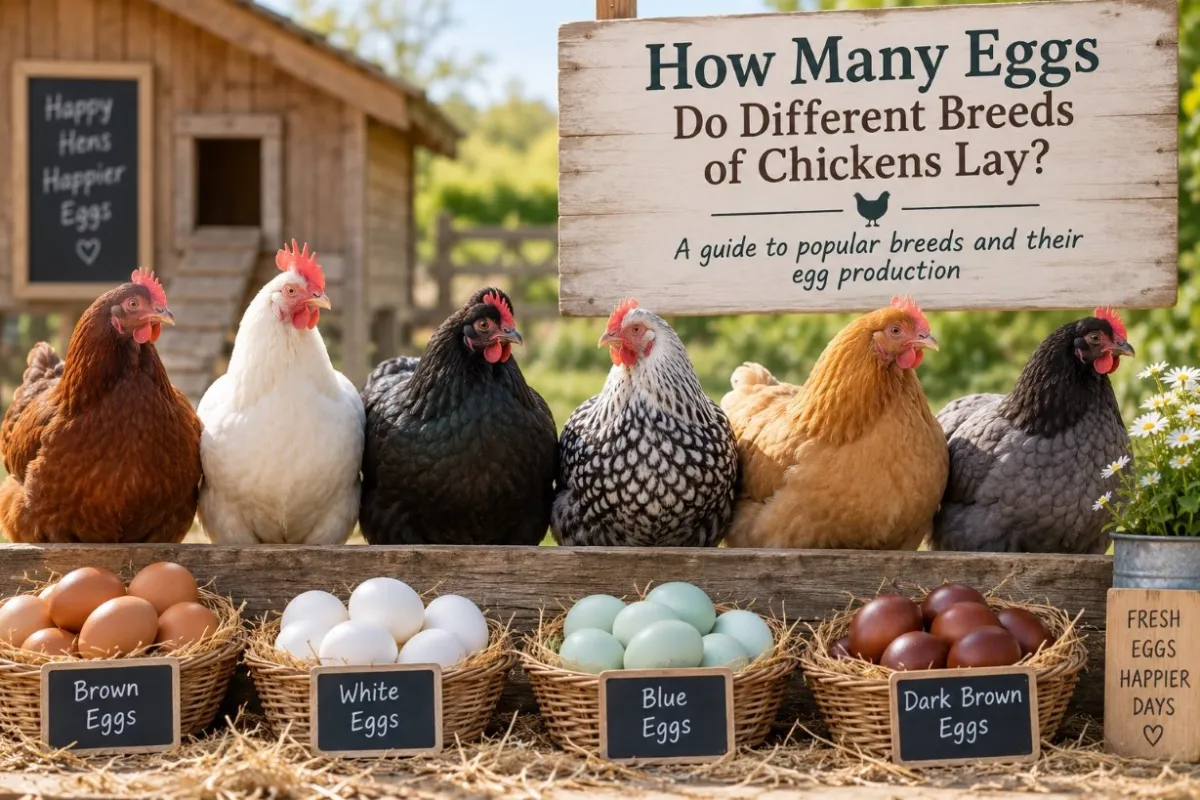
Here are some popular chicken breeds and the number of eggs you can typically expect them to produce.
ISA Brown – Around 300–350 Eggs Per Year
The ISA Brown is one of the most productive laying hens available and is an extremely popular choice for people primarily interested in egg production.
A healthy ISA Brown can potentially produce around 300–350 eggs per year during its most productive period. Their eggs are generally medium to large and brown.
ISA Browns are hybrid chickens rather than a traditional pure breed. They have been developed specifically for efficient egg production, which explains their impressive laying ability.
Their friendly nature and relatively straightforward care requirements also make them popular with first-time chicken keepers.
Rhode Island Red – Around 250–300 Eggs Per Year
The Rhode Island Red is a classic chicken that combines good egg production with a hardy nature.
You can typically expect approximately 250–300 brown eggs per year from a productive Rhode Island Red, although individual hens and different strains can vary.
They are generally robust birds and can adapt well to different conditions. Their combination of reliability, attractive appearance and good laying ability has made them a favourite among backyard chicken keepers.
Sussex – Around 200–250 Eggs Per Year
Sussex chickens are another excellent option for a family or backyard flock.
Depending on the variety and individual bird, a Sussex hen may produce approximately 200–250 eggs per year. The eggs are usually cream, tinted or light brown.
Sussex chickens are available in several beautiful varieties, including Light Sussex and Speckled Sussex.
They are often valued not just for egg production but also for their generally inquisitive nature and attractive appearance.
Leghorn – Around 280–320 Eggs Per Year
If you want plenty of white eggs, the Leghorn deserves serious consideration.
Leghorns are excellent layers and can potentially produce approximately 280–320 white eggs per year.
They are active, energetic chickens and are particularly well known for their efficiency as egg producers. The White Leghorn has played an important role in commercial white egg production because of its impressive laying ability.
For backyard keepers, they can be a great choice if high egg numbers are a priority.
Plymouth Rock – Around 200–280 Eggs Per Year
The Plymouth Rock, particularly the distinctive Barred Plymouth Rock, is another popular backyard chicken.
A good laying hen can produce approximately 200–280 brown eggs per year, although production varies according to the individual bird and strain.
Plymouth Rocks are attractive dual-purpose chickens and have been popular for generations. They can be an excellent choice for keepers looking for a traditional breed that still provides a useful number of eggs.
Australorp – Around 250–300 Eggs Per Year
Australorps have an impressive reputation when it comes to laying.
A typical backyard Australorp might produce approximately 250–300 light-brown or tinted eggs per year under good conditions.
The breed became famous for its egg-laying ability and remains a popular option for keepers who want a productive pure-breed chicken.
Their striking black plumage can have an attractive green sheen in sunlight, making them a beautiful addition to a flock as well as productive layers.
Marans – Around 150–200 Eggs Per Year
If egg colour is more important to you than sheer quantity, Marans are an excellent breed to consider.
Marans are famous for producing beautiful dark brown eggs, which can range from rich brown to deep chocolate shades.
Depending on the strain, conditions and individual hen, you might expect around 150–200 eggs per year.
They may not compete with specialist hybrids for overall numbers, but opening a nesting box to find a collection of rich chocolate-brown eggs can make them particularly rewarding to keep.
Cream Legbar – Around 180–230 Eggs Per Year
For something completely different, consider a Cream Legbar.
These attractive chickens are particularly popular because they produce blue to blue-green eggs. A hen may lay approximately 180–230 eggs per year, depending on her genetics, age and environment.
Cream Legbars can be an excellent addition to a mixed flock if you want to create an egg basket containing several different colours.
Orpington – Around 150–200 Eggs Per Year
The Orpington is a large, attractive chicken that is popular with backyard keepers.
Depending on the variety and individual bird, an Orpington may produce approximately 150–200 light-brown or tinted eggs per year.
Orpingtons aren't usually chosen purely for maximum egg production. Their size, appearance and generally calm nature are major attractions.
For keepers wanting a traditional-looking chicken that still provides a steady supply of eggs, they can be a great choice.
Wyandotte – Around 180–220 Eggs Per Year
With their beautifully patterned plumage, Wyandottes can make a spectacular addition to a flock.
A Wyandotte hen might produce approximately 180–220 brown or tinted eggs per year.
Popular varieties include Silver Laced and Gold Laced Wyandottes, both of which are instantly recognisable because of their striking feather patterns.
They offer a good balance between attractive appearance and useful egg production.
Why Do Egg Numbers Vary?
It is important to remember that annual egg numbers are estimates rather than guarantees.
Two hens of the same breed may produce different numbers of eggs. Genetics, age and individual health all make a difference.
Egg production is also affected by:
-
Age: Hens usually produce most heavily during their earlier laying years.
-
Daylight: Shorter winter days can significantly reduce laying.
-
Moulting: Many hens reduce or temporarily stop laying while replacing their feathers.
-
Nutrition: Laying hens require a properly balanced diet with adequate protein, vitamins and minerals.
-
Water: Constant access to fresh, clean water is essential.
-
Stress: Predators, overcrowding, extreme weather or changes to the flock can affect production.
-
Health: Parasites and illness can cause egg numbers to decrease.
Which Chicken Is Best for Eggs?
There isn't one perfect breed for every chicken keeper.
If maximum egg production is your priority, productive hybrids such as ISA Browns can be an excellent choice. If you prefer traditional breeds, Leghorns, Australorps and Rhode Island Reds are all strong contenders.
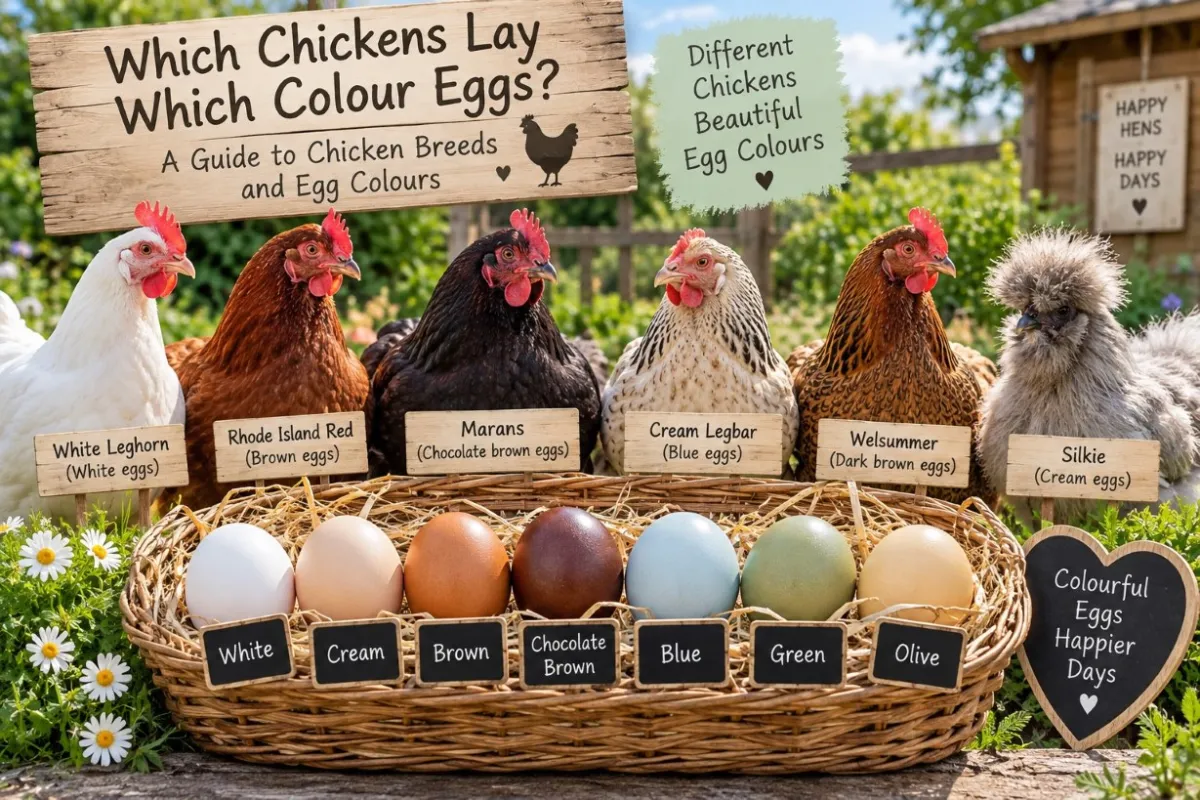
If you want a colourful egg basket, consider combining breeds. Marans can provide dark brown eggs, Cream Legbars can contribute blue eggs, Leghorns produce white eggs and breeds such as Sussex can add cream or tinted shades.
Ultimately, egg production is only one consideration when choosing chickens. Temperament, size, available space, climate and how well a particular breed will fit into your existing flock are equally important.
Whether your hen produces 150 eggs a year or more than 300, collecting fresh eggs from your own nesting boxes is one of the great pleasures of keeping chickens.