The importance of providing a dust bath for your chickens
Why Every Chicken Needs a Dust Bath: Natural Mite Removal and Better Poultry Health
If you keep chickens, you may have noticed them enthusiastically scratching, rolling and wriggling around in a patch of dry soil. At first glance, it can look like your chickens are simply making a mess. In reality, this behaviour is an important part of their natural grooming routine.
A dust bath is one of the simplest and most beneficial things you can provide for your chickens. It helps them keep their feathers clean, supports healthy skin and can play an important role in controlling external parasites such as mites and lice.
What Is a Chicken Dust Bath?
A dust bath is an area filled with dry, loose material where chickens can roll and flap their wings. Chickens instinctively use dust bathing as part of their normal hygiene routine.
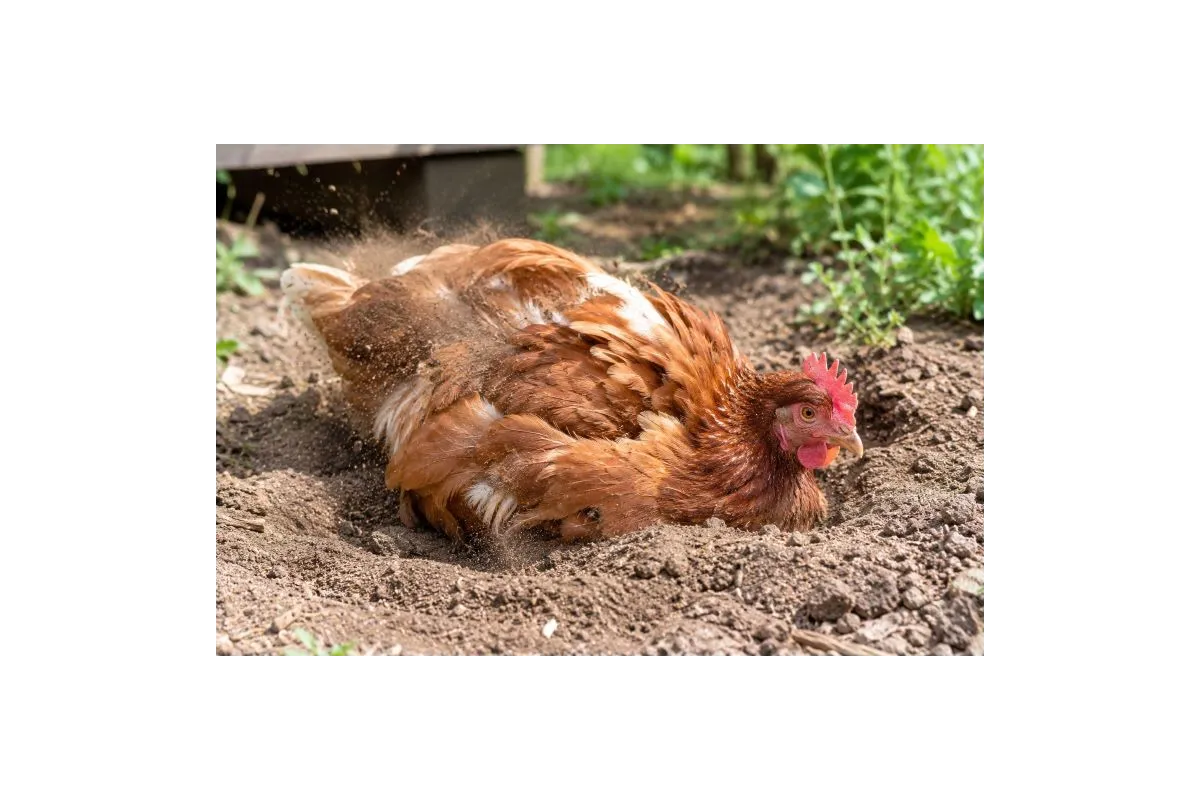
When a chicken gets into a dust bath, it digs and wriggles into the material before shaking and flapping its wings. The dust works its way through the feathers and onto the skin. After bathing, the chicken stands up, shakes itself and preens its feathers.
This isn't just recreational behaviour. Dust bathing is an important natural behaviour that contributes to chicken health and wellbeing.
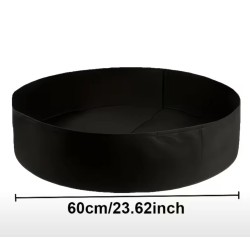
Ideally, the dust bath should be kept somewhere dry and protected from rain. A covered area of the chicken run, a large container or a purpose-built dust bathing area can all work well.
How Does Dust Bathing Help With Mites?
One of the major benefits of regular dust bathing is that it can help chickens manage external parasites.
Mites and lice can cause significant irritation. Chickens affected by parasites may scratch frequently, preen excessively or appear restless. Heavy infestations can contribute to feather damage, skin irritation and poor condition.
As chickens roll around in dry dust, particles can penetrate between their feathers. This can make the environment less comfortable for some external parasites and helps the chicken physically dislodge unwanted debris and organisms while grooming.
However, it is important to understand that dust bathing should not be considered a guaranteed treatment for a serious mite infestation. If you suspect your flock has mites, particularly red mites, you should inspect the chickens and their housing carefully and use an appropriate poultry parasite-control strategy.
Red mites are particularly troublesome because they often hide in cracks, crevices and nesting areas during the day and feed on chickens at night. This means that treating the birds alone may not solve the problem. The coop and surrounding environment also need attention.
Why Removing Mites Matters
Keeping mite numbers under control is important for more than just keeping your chickens comfortable.
Parasites can cause considerable stress, particularly when infestations become severe. Chickens may spend more time scratching and less time eating, resting or engaging in normal behaviour.
Heavy mite infestations can also contribute to anaemia and reduced condition, especially in vulnerable birds. Young chickens, older birds and chickens already under stress may be particularly affected.
Regularly checking your flock makes it much easier to spot potential problems early. Look closely around the vent, under the wings and around the base of the feathers. Also inspect perches, nest boxes and cracks in the coop for signs of mites.
Creating the Perfect Dust Bath
You don't need expensive equipment to create a useful dust bath. The most important thing is that the material remains dry and loose.
A mixture of dry soil and sand can make an excellent base. Fine, dry material allows chickens to work it through their feathers while they bathe.
Place the dust bath somewhere sheltered from rain. If the area becomes wet, it can quickly turn into mud and will no longer provide the same benefits.
It's also a good idea to keep the area reasonably clean and top it up when necessary. If your chickens regularly use the same spot, remove heavily soiled material and replace it with fresh, dry material.
Avoid using substances that could irritate your chickens' respiratory system or skin. More isn't necessarily better when it comes to dust baths. A simple, dry and natural setup is often all they need.
Dust Bathing Is About More Than Parasite Control
While mite management is an important benefit, dust bathing provides other advantages too.
It helps chickens maintain their feathers by removing dirt, excess oils and loose skin. Healthy feather maintenance is particularly important because feathers provide insulation and protection from the elements.
Dust bathing also gives chickens an opportunity to express a natural behaviour. Chickens that have access to suitable areas for scratching, digging and bathing can spend time engaging in activities that are instinctive and rewarding.
Providing opportunities for natural behaviours is an important part of good chicken care.
Don't Forget the Chicken Coop
Although a dust bath can help chickens maintain themselves, good coop hygiene remains essential.
Clean bedding regularly and pay particular attention to cracks, joints, perches and nesting boxes where parasites can hide. If you suspect mites, inspect the coop at night as well as during the day, because some parasites are much easier to spot when chickens are roosting.
A combination of good husbandry, regular inspection and an appropriate parasite-control plan is much more effective than relying on dust bathing alone.
Final Thoughts
A chicken dust bath is a small addition that can make a big difference to your flock. It supports natural grooming, helps maintain healthy feathers and skin, provides enrichment and can assist chickens in managing external parasites.
Most importantly, dust bathing should form part of an overall approach to poultry health rather than being viewed as a cure for mites. Regular health checks, clean housing and prompt action when parasites are discovered are still essential.
Give your chickens a dry, sheltered area where they can scratch, roll and flap to their heart's content, and you'll be supporting one of their most natural and beneficial behaviours.